June 15, 2026
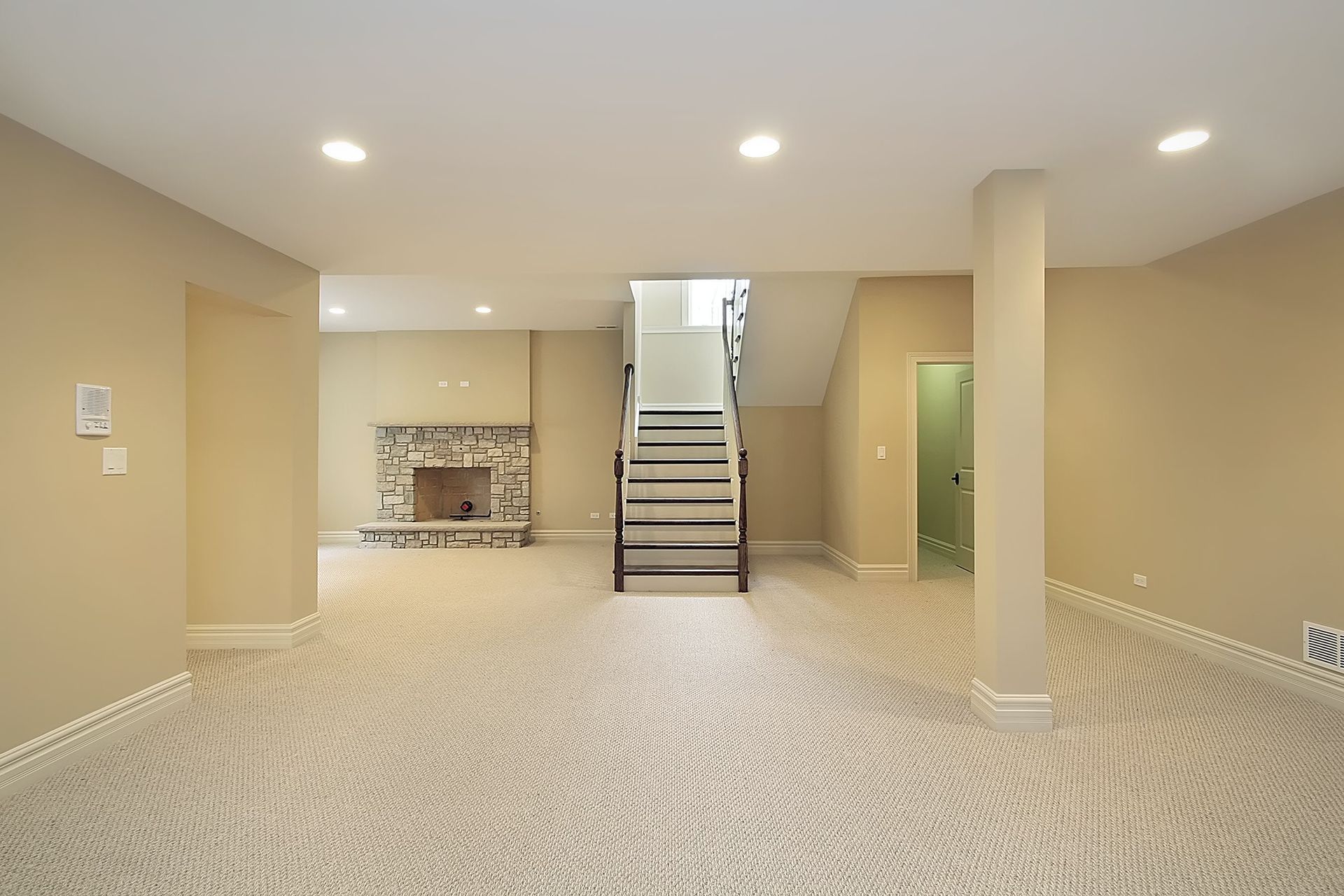
The decision to convert an underutilized lower level into a vibrant, functional living area represents one of the most rewarding home improvement journeys a property owner can undertake. Often relegated to housing seasonal storage, mechanical systems, or forgotten fitness equipment, this vast subterranean zone possesses immense hidden potential. By executing a thoughtful conversion, you can seamlessly expand your square footage without the logistical headaches or property line constraints associated with building an exterior home addition. However, breathing life into this area requires much more than simply hanging drywall and laying down new flooring. Because below-grade spaces are uniquely susceptible to dampness, shifting foundations, and complex structural obstacles, a successful outcome demands a meticulous approach. Navigating a comprehensive basement renovation involves a series of progressive phases, each requiring careful deliberation to transform a dark, utilitarian zone into a beautiful oasis that elevates your daily lifestyle. Taking the necessary time to carefully architect this transformation ensures a highly rewarding property enhancement.
Embracing this journey allows homeowners to maximize their existing footprint while customizing every square inch to suit evolving familial dynamics. Whether you envision a bustling recreational hub or a serene getaway, the structural integrity of the execution remains paramount. Approaching the project systematically ensures that hidden vulnerabilities are addressed before they become costly liabilities. By investing in high-quality materials and professional planning, you shield your home from subsurface environmental pressures. Ultimately, this deliberate methodology ensures the final product acts as a seamless extension of your primary living quarters, matching the comfort, safety, and visual appeal found on the upper floors of your residence.
Establishing Clear Project Goals
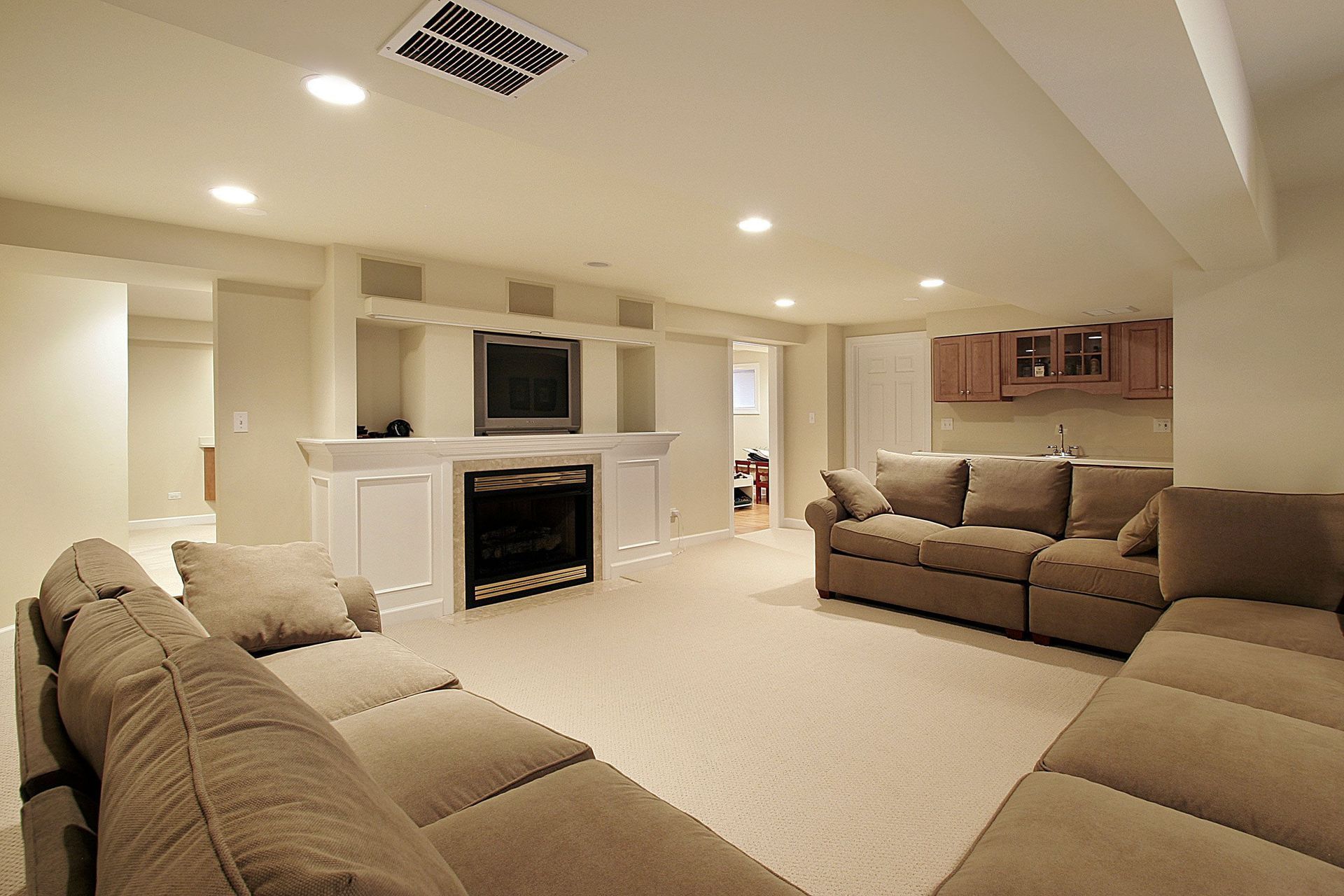
Before pickaxes strike walls or design materials are ordered, the initial phase must revolve around defining the true intent of your updated environment. Property owners must ask themselves what core functions the new layout should fulfill over the coming years. For some families, the primary objective is creating an expansive entertainment hub or a dedicated home theater where everyone can gather for movie nights. For others, the priority might be constructing a secluded remote workspace, a quiet guest suite for extended family visits, or a dedicated playroom to contain children’s toys. Defining these objectives early prevents costly changes down the road, as a multi-purpose media room requires vastly different electrical, lighting, and structural considerations than a private bedroom or a wet bar. Outlining these goals allows you to establish a cohesive vision, ensuring every subsequent design choice serves a deliberate purpose.
Inspecting Existing Foundation Conditions
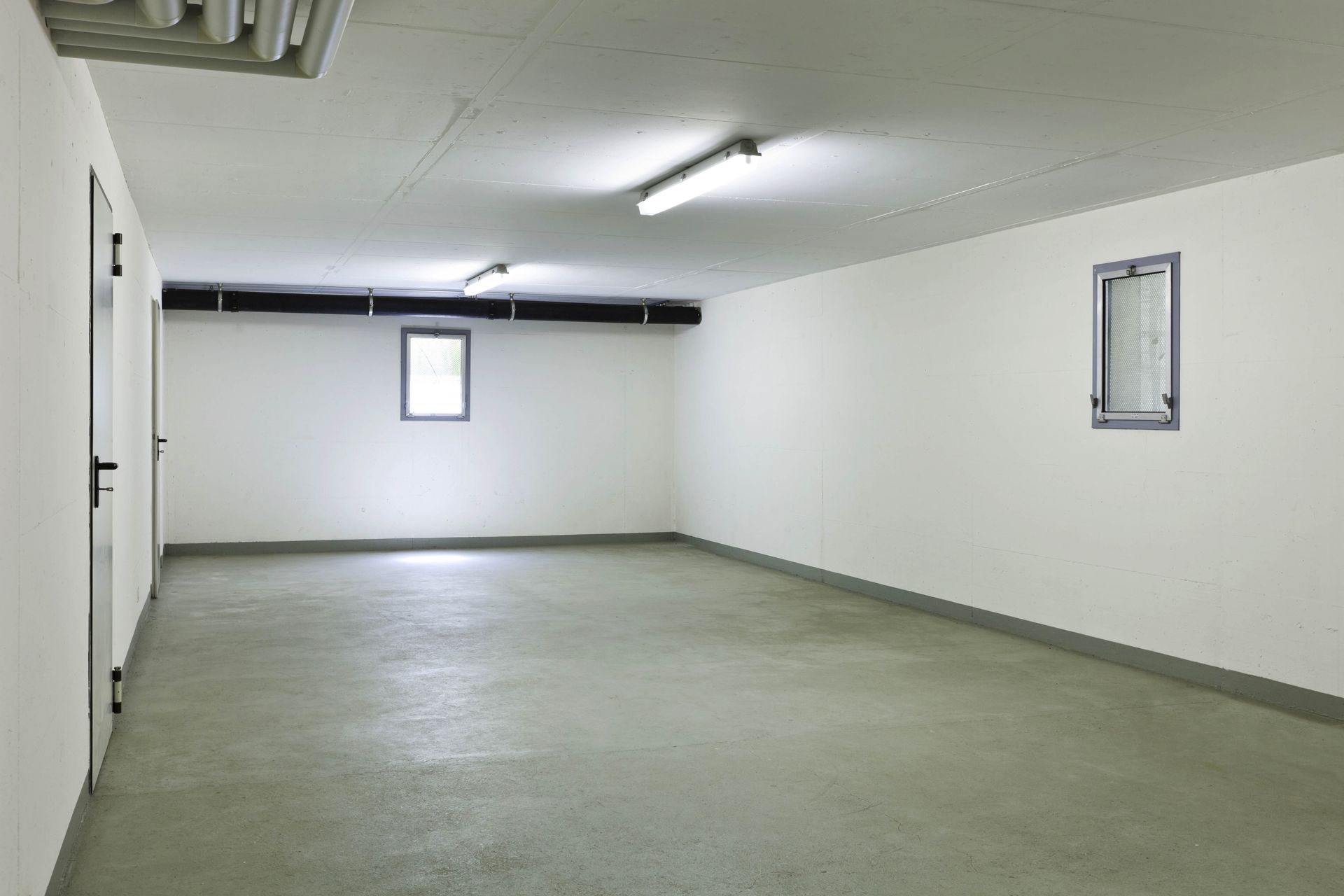
The physical environment of a lower level presents distinct environmental challenges that do not exist on upper floors, making a thorough pre-construction evaluation vital. Moisture is the universal adversary of below-grade construction, meaning you must carefully check the floor and walls for signs of historical water intrusion, dampness, or condensation. Look closely for hairline cracks in the concrete, powdery white residue, or musty odors that indicate persistent humidity issues. Addressing exterior drainage, updating gutter systems, or applying heavy-duty internal waterproofing sealants must occur before any framing begins. Ignoring hidden moisture vulnerabilities will inevitably lead to mold growth, ruined materials, and a compromised living environment later on. Taking the necessary time to assess and fortify the structural shell ensures that your long-term aesthetic investments remain safe, dry, and structurally sound for decades to come.
Navigating Local Building Regulations
Transforming a subterranean area into a legally compliant living space requires strict adherence to regional construction codes and zoning laws. Securing the appropriate structural, electrical, and plumbing permits is a non-negotiable step that protects your family’s safety and preserves your home’s resale value. Building departments enforce specific regulations regarding ceiling heights, electrical outlet placement, and proper ventilation. Crucially, any plan that includes a designated bedroom or a frequently used living space must feature adequate emergency escape routes, which typically involves installing large window units or direct walkout doors. Navigating these bureaucratic requirements can feel overwhelming, but obtaining formal approval before starting your basement renovation guarantees that the work is structurally compliant and will not create unexpected legal or financial complications when selling the property in the future.
Budgeting Expected Construction Expenses
Formulating a comprehensive financial plan is essential for keeping your project on track and preventing unexpected monetary strain. A detailed budget must account for raw structural materials, specialized contractor labor, regulatory permitting fees, and interior finishing design elements like cabinetry and decorative light fixtures. It is also wise to set aside a dedicated financial cushion to absorb unforeseen problems, such as discovering hidden plumbing issues or outdated electrical systems behind old partitions. According to the Basement Guide, a properly finished basement typically recovers between 65% and 80% of its cost when a home is sold. This impressive return on investment positions the project as a highly intelligent strategy for increasing overall equity. Balancing your immediate desires against realistic market returns helps you determine exactly where to allocate premium funds and where to choose cost-effective alternatives.
Executing Structural Framing Tasks
Once the foundational shell is secure, permitted, and budgeted, the physical transformation officially begins with the installation of the structural framework. Framing defines the geometry of the entire floor plan, turning a singular, cavernous concrete room into distinct, organized living quarters, hallways, and storage closets. During this stage, builders build perimeter walls slightly away from the concrete to establish a protective thermal break. Utilizing pressure-treated lumber for any base plates in direct contact with the floor prevents moisture absorption from the slab. This phase also provides the perfect opportunity to address acoustic insulation between floor joists, reducing the transmission of footstep noise from the main level above. The completed wooden framework acts as the permanent skeleton that supports all future utilities, insulation layers, and wall coverings.
Installing Vital Utility Systems
With the wooden skeleton securely in place, specialized trade professionals can step in to run the hidden infrastructure that powers the modern comforts of the home. Roughing in the electrical wiring, plumbing supply lines, and climate control ductwork demands precision, as these elements become inaccessible once the walls are closed. You must carefully plan out the placement of outlets, media connections, recessed ceiling canisters, and plumbing drains for future bathrooms or wet bars. Subterranean environments often require unique mechanical solutions, such as adding a specialized sewage ejector pump or upgrading your primary heating and cooling system to properly regulate below-grade temperatures. Ensuring these utilities are meticulously installed and verified by independent inspectors guarantees that your finished space operates safely, efficiently, and reliably without requiring destructive wall repairs later.
Bringing a comprehensive basement renovation to a successful conclusion is an incredibly fulfilling endeavor that radically maximizes the utility and comfort of your existing home. From the early stages of structural planning and moisture mitigation to the final installation of drywall, custom flooring, and personalized design decor, every single phase requires patience and an unyielding commitment to quality. When executed with precision and care, this detailed undertaking completely redefines how your family interacts with your home, converting a once-ignored storage void into a dynamic, inviting sanctuary that dramatically increases your total livable area. Navigating these technical details, regulatory requirements, and trade coordination can undoubtedly be challenging for even the most ambitious property owners who want to avoid systemic building pitfalls. At Absolute Basement, we specialize in guiding homeowners through every step of this rewarding process, transforming complex structural visions into stunning, worry-free realities. Contact our experienced team today to explore how we can elevate your home’s potential and craft an enduring, beautiful environment tailored uniquely to your lifestyle.