August 18, 2026
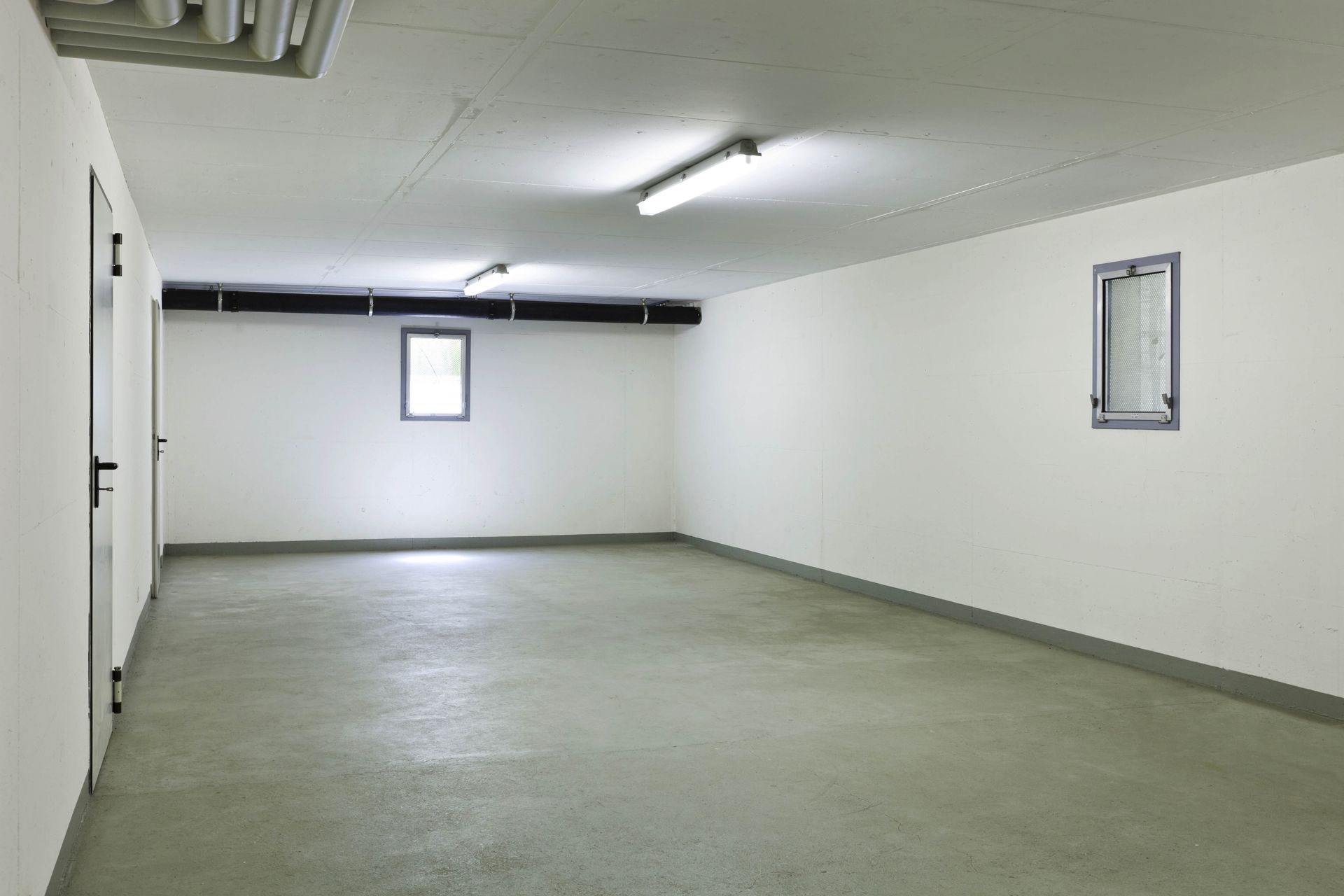
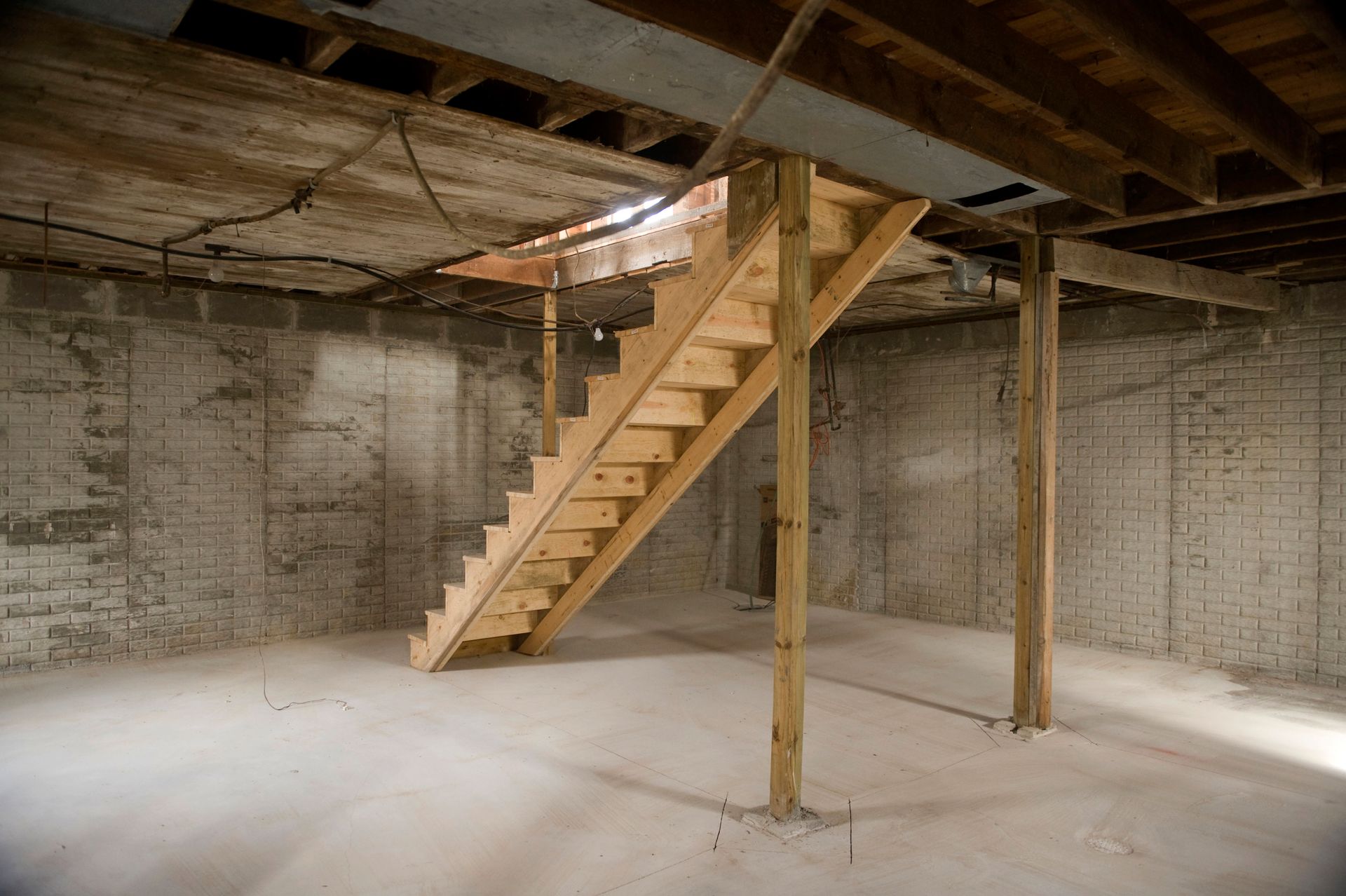
Basements have changed dramatically from the dim storage spaces and unfinished utility rooms many homeowners once accepted as standard. Today, these lower levels are being transformed into comfortable, stylish, and highly functional extensions of the home. Modern design trends focus on making basements brighter, more flexible, and better suited to everyday living. Whether the goal is to create a family room, home office, guest suite, fitness area, entertainment zone, or combination of several uses, thoughtful planning can turn previously underused square footage into valuable living space. A successful local basement renovation considers lighting, flooring, storage, comfort, technology, and overall design while also accounting for the unique conditions found below grade. By understanding the trends shaping today's basement projects, homeowners can create spaces that feel intentional and connected to the rest of the home rather than separate or secondary.
Embrace Brighter and More Inviting Design
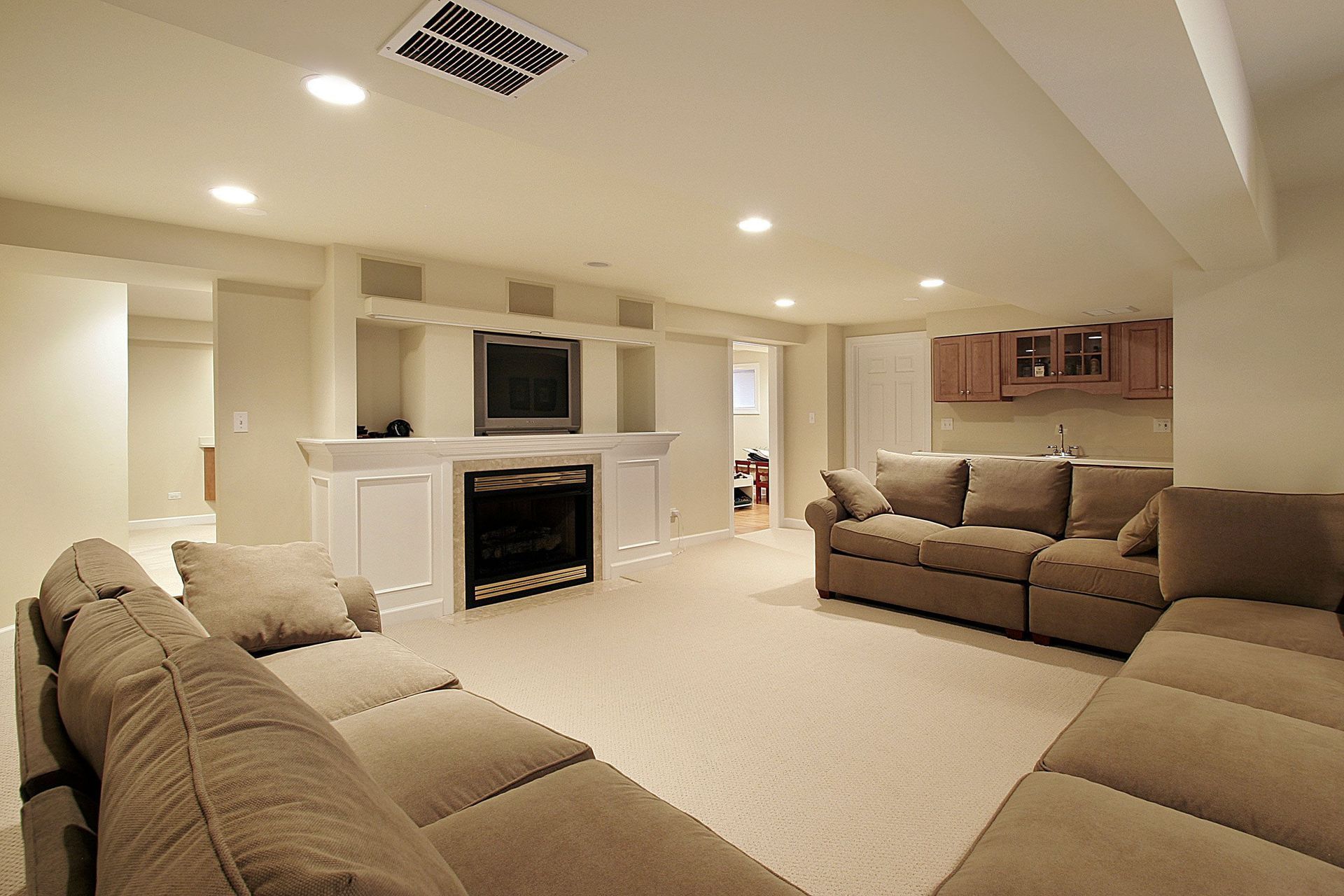
One of the strongest trends in local basement renovation is moving away from the dark, enclosed appearance traditionally associated with lower levels. Homeowners are choosing lighter wall colors, reflective finishes, warm neutrals, and carefully positioned lighting to make the space feel larger and more welcoming. Recessed lights, wall sconces, pendants, and task lighting can be layered together to reduce shadows and create different moods throughout the room. When windows are available, keeping treatments simple can help maximize natural light.
Design choices can also make ceilings and walls feel less restrictive. Consistent paint colors, streamlined trim, and visually open layouts help reduce the boxed-in feeling that some basements have. Mirrors and glass elements can reflect light deeper into the room, while pale flooring can make the entire level feel more expansive. The goal is not simply to brighten the basement but to create an atmosphere that feels comfortable enough for daily use. A well-lit space is more likely to become a favorite gathering area rather than an occasional overflow room.
Embrace Flexible and Multifunctional Living Areas
Another major trend in local basement renovation is designing rooms that can support more than one purpose. Instead of dedicating the entire basement to a single use, homeowners are creating flexible zones for relaxing, working, exercising, entertaining, and hosting guests. Open layouts make it easier to divide the space without relying on permanent walls. Furniture placement, area rugs, lighting, and built-in storage can help define separate functions while maintaining an open and cohesive appearance.
Flexibility is especially useful as household needs change. A playroom may eventually become a study area, a guest space can double as an office, and an entertainment zone may also serve as a casual family room. Movable furniture, foldaway workstations, sleeper sofas, and modular storage can make these transitions easier. Designing with adaptability in mind may also prevent the need for major remodeling later. A basement that can evolve with the household offers long-term usefulness and makes better use of available square footage.
Embrace Comfortable Materials and Finishes
Comfort has become an important part of modern local basement renovation. Homeowners increasingly want finished basements to feel as warm and polished as above-ground living areas. Flooring plays a major role in achieving that goal. Luxury vinyl, engineered materials, carpet tiles, and other basement-friendly options can provide an attractive finish while accounting for moisture and temperature conditions. Area rugs can add warmth and softness while helping define individual spaces within an open floor plan.
Wall finishes, furniture, and textiles also contribute to comfort. Upholstered seating, layered fabrics, soft window treatments, and acoustic materials can reduce echoes and make the room feel more relaxed. Moisture-resistant materials remain important because basements can respond differently to humidity and temperature changes than the upper levels of the home. Selecting finishes that balance appearance with practical performance can help preserve the renovation over time. A comfortable basement should feel inviting without requiring materials that are difficult to maintain in a below-grade environment.
Embrace Integrated Storage and Organization
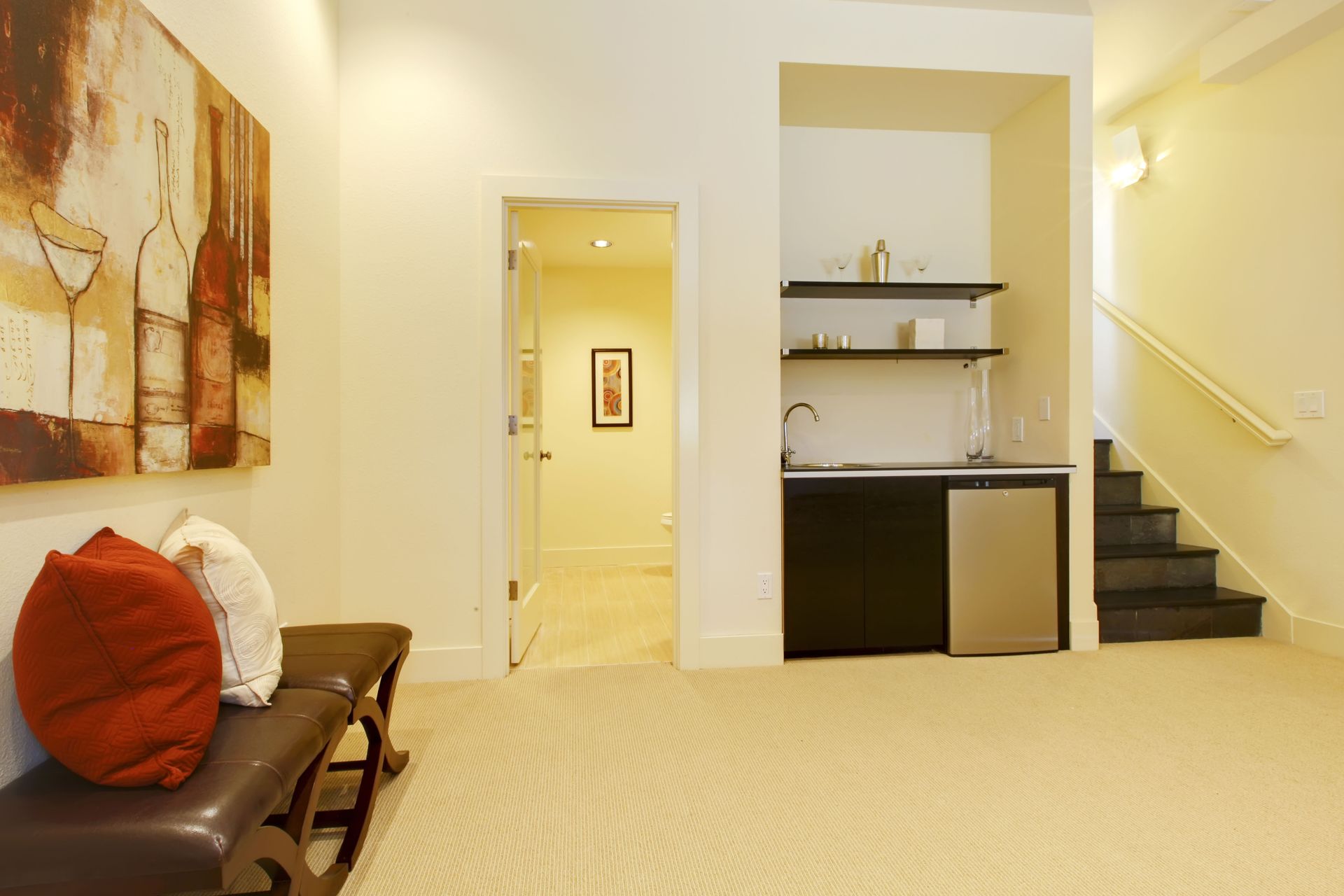
Storage remains essential because basements often continue to serve practical household needs even after they are finished. Modern local basement renovation projects increasingly incorporate storage directly into the design rather than treating it as an afterthought. Built-in cabinets, wall shelving, under-stair storage, media units, and concealed utility areas can keep belongings organized without sacrificing valuable living space. These features help maintain a cleaner appearance and reduce clutter in rooms that may serve several purposes.
Thoughtful organization is particularly valuable in smaller basements where every square foot matters. Vertical storage can make use of wall space, while custom cabinetry can fit around columns, mechanical systems, and unusual architectural features. Closed storage can conceal seasonal items, toys, games, and household supplies, while open shelving can display books, decor, and entertainment equipment. Planning storage during the design phase allows it to blend with the rest of the renovation and helps the finished basement remain functional as household needs continue to change.
Embrace Technology and Entertainment Features
Technology is becoming increasingly integrated into basement design. Homeowners may use the lower level for movie nights, gaming, music, remote work, or exercise, making reliable electrical and connectivity planning important. Modern local basement renovation often includes additional outlets, charging stations, structured wiring, strong Wi-Fi coverage, and carefully planned locations for televisions, speakers, computers, and smart devices. Addressing these needs before walls and ceilings are finished can reduce the need for visible cords or future modifications.
Entertainment spaces can range from a simple media wall to a full theater-style setup with surround sound, specialized lighting, and comfortable seating. Other homeowners may prioritize gaming areas, home gyms, or workstations equipped for video calls. Smart lighting and controls can also make it easier to adjust the atmosphere for different activities. The most successful technology upgrades are those that support how the basement will actually be used rather than adding features simply because they are available. Planning around real routines can create a more practical and enjoyable environment.
Embrace Thoughtful Planning for Long-Term Use
Successful basement remodeling depends on more than appearance. Planning should also account for layout, access, moisture management, electrical needs, plumbing, ventilation, ceiling height, and any structural considerations. According to HomeGuide, most basement finishing projects require about four to 16 weeks, depending on the project's size and complexity. Understanding the likely timeline can help homeowners prepare for the project and make design decisions before construction begins.
Long-term planning also means thinking about how the basement may need to function several years from now. Adding flexible lighting, accessible storage, durable finishes, and adaptable room layouts can make future changes easier. Homeowners may also want to consider whether the basement could eventually support guests, older family members, teenagers, remote work, or hobbies that require dedicated space. Making these decisions early can reduce unnecessary changes later and help the renovation continue to provide value as the household evolves.
Modern basement design is focused on creating spaces that are brighter, more flexible, more comfortable, better organized, and more connected to everyday life. From layered lighting and multifunctional layouts to built-in storage and integrated technology, today's trends help transform lower levels into useful extensions of the home. A thoughtful local basement renovation can provide additional space for entertaining, working, relaxing, exercising, or hosting guests while improving the overall functionality of the property. Careful planning is essential because basement conditions, household priorities, and long-term needs all influence the best design choices. By combining practical materials with adaptable features and a cohesive style, homeowners can turn an overlooked basement into a dynamic part of the home. To start planning a basement transformation tailored to your needs, contact Absolute Basement.